
For many logistics teams, shipment monitoring still means checking whether a package arrived on time. But modern supply chains are far more complex than simple location visibility.
High-value equipment, aerospace components, electronics, medical devices, industrial systems, and sensitive freight can all experience operational issues during transit long before visible damage appears at delivery. That’s where real-time shipment monitoring becomes important.
Not simply to “track” a shipment — but to understand what is happening to it throughout the journey.
Why Traditional Shipment Visibility Is Often Incomplete
A standard GPS tracker can show where a shipment is located. It cannot explain:
- whether the shipment experienced excessive impact
- if environmental conditions exceeded safe limits
- whether handling conditions became problematic
- if the shipment was opened unexpectedly
- or whether repeated vibration exposure accumulated over time
In many industries, these factors matter more than location itself. A shipment may arrive on schedule while still being compromised operationally.
The Shift Toward Real-Time Shipment Intelligence
Modern monitoring systems are increasingly designed around live operational visibility rather than post-delivery investigation. This includes:
- real-time GPS positioning
- impact and shock alerts
- temperature monitoring
- vibration analysis
- tilt detection
- intrusion awareness
- cloud-based shipment visibility
The goal is no longer simply recording shipment events after they happen.
The goal is reducing operational uncertainty while the shipment is still moving.
Why Real-Time Alerts Matter
One of the biggest challenges in logistics is delayed awareness. If a severe impact event is only discovered after delivery:
- investigations begin late
- accountability becomes unclear
- production schedules may already be affected
- inspections increase
- replacement costs rise
- customer timelines are disrupted
Real-time monitoring changes the response window.
Operations teams can:
- identify issues immediately
- isolate potentially compromised shipments
- notify receiving facilities early
- communicate with carriers faster
- reduce unnecessary downstream disruption
In critical shipments, early visibility often matters more than the event itself.
Why Threshold Configuration Is Critical
Not every shipment should use the same monitoring sensitivity. This is one of the most misunderstood areas of shipment monitoring. A threshold suitable for industrial machinery may be completely inappropriate for:
- aerospace components
- medical devices
- sensitive electronics
- laboratory equipment
- precision instruments
Improper threshold configuration creates two common problems:
Thresholds That Are Too Sensitive
These create excessive alerts, operational fatigue, and unnecessary inspections.
Thresholds That Are Not Sensitive Enough
These fail to identify meaningful transit events that may affect product integrity or operational reliability.
Effective shipment monitoring depends on:
- packaging structure
- fragility profile
- transport conditions
- handling frequency
- acceptable G-force exposure
- environmental exposure tolerance
This is why shipment-specific configuration is becoming increasingly important in modern logistics environments.
-
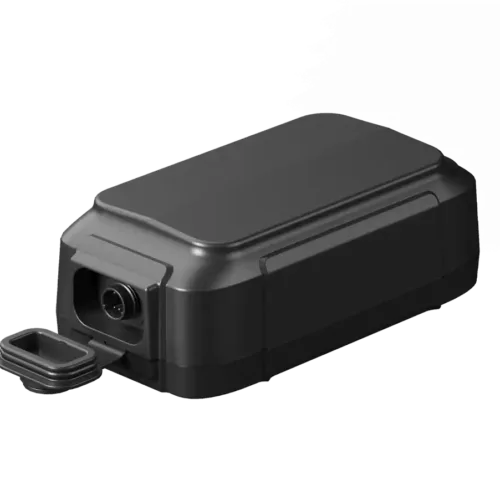
Digi-Trac Pro is a professional-grade control system with a full array of sensors. Know the Status of Your Shipment in Real-Time!
The Value of Full-Journey Profiling
Advanced shipment monitoring systems also provide long-term operational insight. Over time, logistics teams can identify:
- problematic routes
- recurring handling issues
- weak points in packaging
- environmental exposure trends
- carrier inconsistencies
- storage-related problems
This creates opportunities not only for monitoring — but for operational improvement across the supply chain.
Industries Where Real-Time Monitoring Is Becoming Essential
Real-time shipment intelligence is increasingly used across industries where damage, instability, or environmental exposure can create significant operational consequences. This includes:
- Aerospace
- Aviation
- Electronics
- Medical Devices
- Pharmaceuticals
- Energy & Utilities
- Industrial Equipment
- Manufacturing
- High-Tech Logistics
In these sectors, visibility is closely connected to compliance, reliability, accountability, and operational continuity.
Looking Beyond “Tracking”
Modern shipment monitoring is no longer just about knowing where cargo is located. It is about understanding:
- how it is being handled
- what conditions it experiences
- whether risk events occur during transit
- and how quickly operations teams can respond
As supply chains become more sensitive and operational expectations increase, real-time shipment intelligence is gradually becoming part of standard logistics strategy rather than an optional layer of visibility. The companies that benefit most are often not the ones reacting to shipment problems —
but the ones identifying risks before those problems escalate.