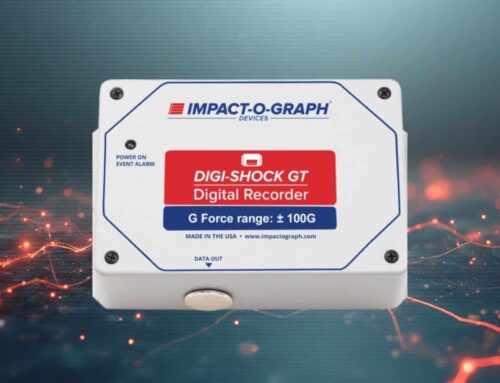
Organizations responsible for transporting high-value equipment increasingly rely on monitoring devices to document handling conditions during transit. However, selecting the appropriate device is rarely a purely technical decision. Procurement teams, logistics managers, and engineering departments must evaluate several operational parameters before integrating monitoring systems into their shipment protocols.
Questions from potential users often reveal the practical considerations that drive this evaluation process. Topics such as battery autonomy, sensor range, mounting reliability, and data access models reflect the operational environments in which monitoring devices are expected to perform.
Understanding these factors helps organizations determine whether a monitoring solution can operate effectively across the entire transport chain.
Battery Autonomy and Power Management
One of the first operational considerations raised by logistics teams concerns device power management. Monitoring devices must remain active throughout the duration of the shipment, which may include extended storage periods, multi-modal transport routes, and delays at ports or transfer hubs.
Battery life therefore becomes a critical parameter. Buyers typically evaluate:
- How long a device can operate on a single charge.
- Whether battery performance degrades under temperature fluctuations.
- Whether the device supports sleep modes or power-saving configurations.
In long-distance or international transport scenarios, shipments may remain in transit for several weeks. Devices with insufficient battery capacity risk losing monitoring capability before the shipment is completed, which undermines the reliability of the collected data.
For this reason, many organizations prioritize devices designed for extended operational cycles rather than those intended primarily for short-term tracking applications.
Replaceable Batteries and Operational Flexibility
Closely related to battery life is the question of battery replacement. Some monitoring devices use sealed internal batteries, while others allow users to replace batteries between shipments.
Replaceable batteries can provide operational advantages in certain environments. Logistics teams managing recurring shipments may prefer devices that can be quickly prepared for redeployment without waiting for charging cycles.
At the same time, sealed battery systems may offer advantages in durability and tamper resistance. The appropriate approach depends on how frequently devices are used and how shipment preparation workflows are structured.
From a fleet management perspective, organizations often evaluate whether power systems support efficient device turnover between shipments.
Devices That Operate Without Charging Requirements
Another frequent question concerns monitoring devices that do not require charging between shipments. Some monitoring technologies are designed to operate with long-life internal batteries or passive power architectures that minimize energy consumption.
For organizations managing distributed logistics networks, reducing charging requirements can simplify operational processes. Devices that require minimal preparation before deployment can be more easily integrated into routine shipping procedures.
In practice, logistics teams often weigh the trade-off between extended battery autonomy and device complexity, particularly when shipments originate from multiple facilities.
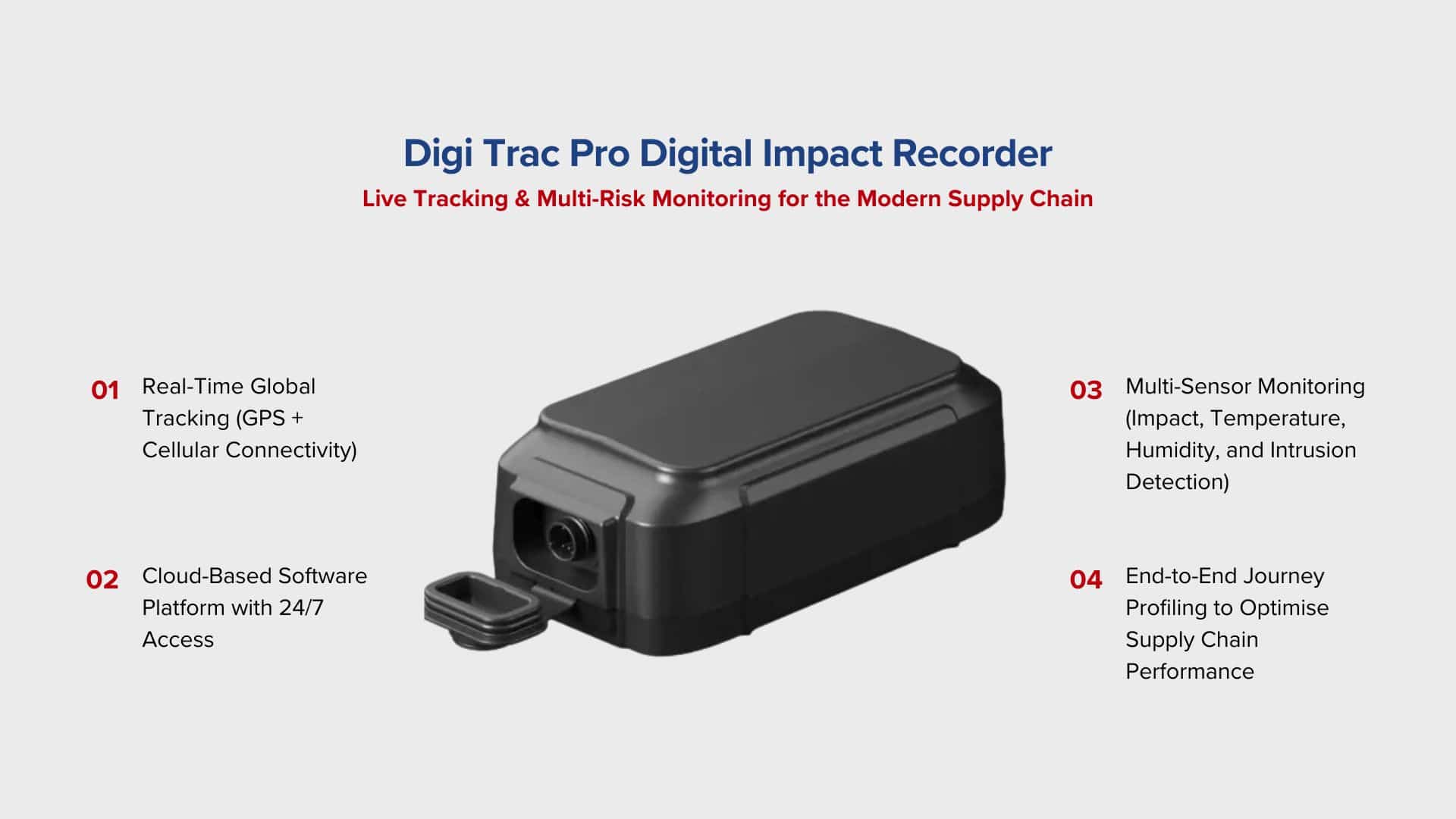
Mounting Reliability in Rail and Heavy Transport
Physical attachment is another important factor in monitoring deployment. Devices must remain securely attached to cargo or transport equipment throughout the shipment, even when exposed to vibration, shock, and environmental stress.
For rail transport in particular, magnetic mounting solutions are frequently considered because they allow rapid installation on steel surfaces such as railcars or transport frames.
When evaluating magnetic mounting, buyers typically assess:
- Magnetic holding strength under vibration.
- Resistance to displacement during handling operations.
- Ease of installation and removal.
Data Access Models and Subscription Structures
Monitoring technologies also vary in how data is accessed and managed. Some systems operate as standalone recorders that store data locally, while others transmit data through connected platforms that may involve subscription services.
Logistics teams evaluating monitoring systems typically ask:
- Whether the device requires a subscription-based platform.
- If data access is provided through monthly or annual service plans.
- Whether stored data can be retrieved directly from the device without cloud services.
The appropriate model often depends on operational priorities. Some organizations prefer independent recording devices that operate without ongoing service fees, while others value integrated platforms that provide centralized data management across multiple shipments.
Understanding the operational implications of each model is an important step in technology selection.
Impact Detection Range and Sensor Capability
Another key technical specification concerns the range of measurable impacts. Monitoring devices must be capable of recording shock events within the expected exposure levels of the cargo being transported.
For many industrial shipments, impact ranges between −10G and 10G are considered relevant thresholds for detecting handling events without excessive sensitivity.
Devices designed for logistics monitoring should therefore provide sensor configurations that can accurately record events within these operational ranges while filtering out minor background vibrations that do not represent handling risks.
The goal is to capture meaningful events that could influence equipment integrity or trigger inspection procedures upon arrival.
Monitoring as Part of Transport Risk Management
The questions logistics teams ask when evaluating monitoring devices illustrate a broader trend in supply chain management. Monitoring technology is no longer viewed simply as a diagnostic tool after damage occurs.
Instead, it is increasingly integrated into transport planning as a method for documenting conditions, validating handling practices, and strengthening accountability across logistics partners.
As supply chains continue to move high-value infrastructure components across complex transport routes, the ability to monitor physical exposure during transit is becoming an important element of shipment governance.
Selecting the appropriate monitoring system therefore requires careful consideration of operational realities, from power management and mounting reliability to data accessibility and sensor performance.