In the world of global logistics, it’s usually the big stuff that keeps you up at night. We’re talking 400-ton power transformers, massive turbines, and switchgear systems that cost more than a literal fleet of supercars.
You’ve got the heavy-haul trucking lined up, the ocean freight booked, and the impact recorders strapped on to catch any “unscheduled turbulence.” You’re good to go, right?
Not so fast.
Lately, we’ve seen a massive spike in global manufacturers hitting us up with one specific, high-stakes question: “Is your device EAR99?” It turns out, in the modern supply chain, your cargo isn’t the only thing that needs a passport. The tech you use to monitor that cargo needs one, too. If your impact recorder isn’t cleared for takeoff, your entire multi-million dollar shipment could be sitting in a customs warehouse gathering dust while the lawyers figure it out.
Here is the lowdown on EAR99, ECCN, and why export compliance is the new “must-have” feature for impact monitoring.
The Stakes: Why “Just Shipping It” Doesn’t Work Anymore
Shipping heavy electrical infrastructure is basically a high-wire act. Transformers are “gentle giants”—monstrously heavy but structurally sensitive. One bad jolt during a rail-to-ship transfer can cause internal coil displacement or oil leaks that you won’t even see until the unit fails six months later.
That’s why you use impact recorders. But here’s the kicker: Every piece of tech you put on that crate is subject to U.S. Export Administration Regulations (EAR). If your monitoring device is flagged as “dual-use” (meaning the government thinks it could be used for something… let’s say… less civilian), you’re looking at a nightmare of licensing and red tape.
Breaking Down the Alphabet Soup: EAR, ECCN, and EAR99
If you aren’t a compliance nerd, these acronyms probably sound like a bad hand of Scrabble.
Let’s decode them:
- EAR (Export Administration Regulations): These are the rules of the road managed by the U.S. Department of Commerce. They dictate who can buy what tech, and where it can go.
- ECCN (Export Control Classification Number): This is the “Social Security Number” for your hardware. It’s an alphanumeric code that tells customs exactly what the device is and if it needs a special license to cross a specific border.
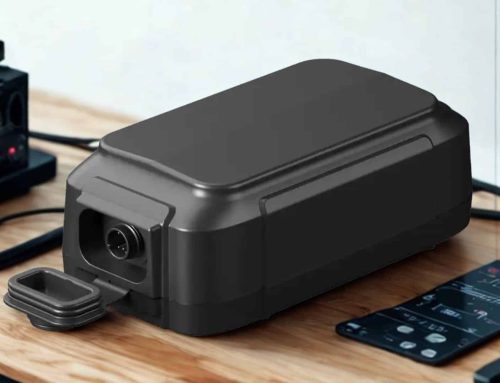
- EAR99: The “Golden Ticket.” This is the classification for low-risk, commercial-grade tech. Most Impact-O-Graph devices fall here. It means the tech is regulated, but it doesn’t require a specific license for most countries. It’s the “Fast Pass” of the export world.
Why Your Compliance Team is Suddenly Obsessed with EAR99
In the past, procurement teams just cared about G-force accuracy and battery life. Today? They want a formal classification statement before the device even hits the warehouse floor.
Why the change?
- Zero Friction Customs: Nothing kills a project timeline faster than a customs hold. Having EAR99 documentation ready means the paperwork moves as fast as the freight.
- Audit Trails: Global EPCs (Engineering, Procurement, and Construction firms) need a bulletproof paper trail to prove they aren’t accidentally shipping restricted tech to the wrong place.
- Deployment Readiness: You can’t wait 6 weeks for an export license when the ship leaves in 48 hours. EAR99 status means you’re ready to deploy now.
The Bottom Line: Visibility + Velocity
At the end of the day, impact monitoring is about two things: Physical Protection and Regulatory Readiness.
By using EAR99-classified recorders, you’re hitting both. You get the high-fidelity data on shocks, tilts, and vibrations that keep your transformers safe, and you get the “all-clear” from regulatory bodies to move your gear across any border without the headache.
At Impact-O-Graph, we don’t just build the sensors that catch the bumps in the road; we provide the documentation that clears the path. Whether you’re moving oil and gas modules or rail infrastructure, make sure your monitoring tech is as compliant as it is tough.
Ready to ship? Make sure your classification is locked in. Reach out to our team for the specs and statements you need to keep your global logistics moving.